Personal Development: Pt 2 - The Why and How
 Nancy
Nancy 
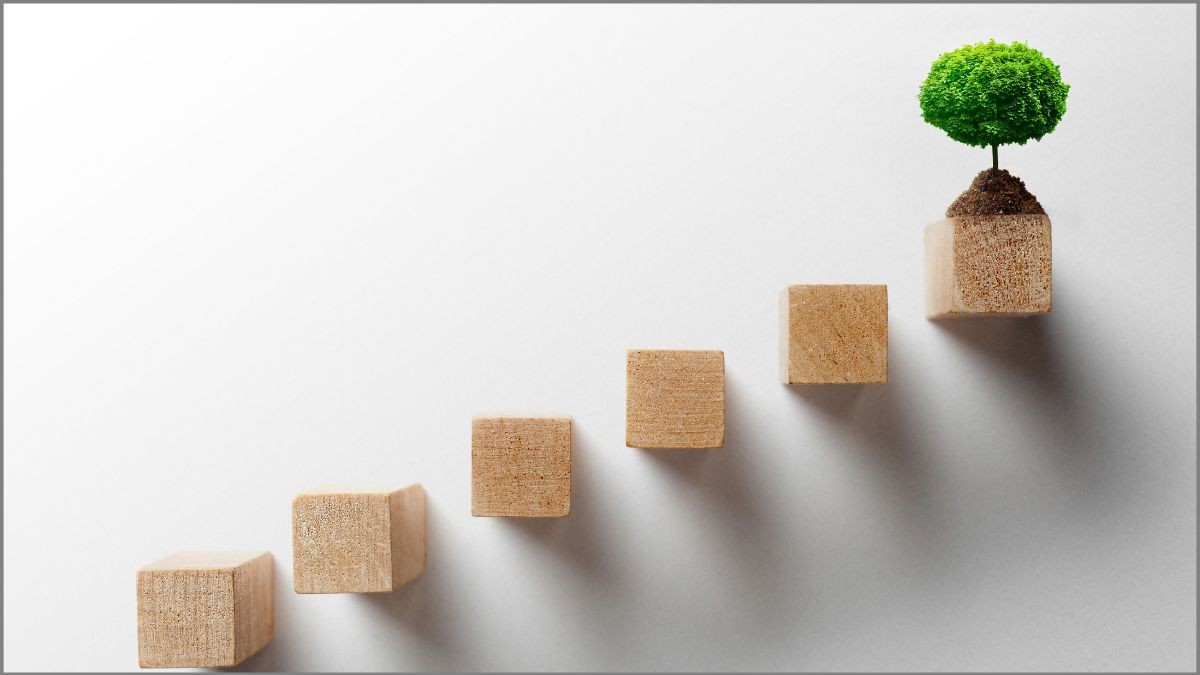
"Work harder on yourself than you do on your job. If you work hard on your job, you can make a living. If you work hard on yourself, you can make a fortune... Income seldom exceeds personal development." - Jim Rohn
Welcome to the second installment of one of the core topics of my website. In Part 1, we briefly covered what Personal Development is. Let's continue with the Why and How. As always, take what resonates, question, or leave the rest.
THE WHY
Life doesn’t happen in tidy categories. Adulting can feel messy, and growth requires a blend of skills. Think back to my simple time management example: it wasn’t just about saying no; it was about protecting energy, communicating, and attending to immediate needs.
Personal development strengthens self-awareness, empathy, resilience, and communication. These aren’t nice-to-haves; they’re qualities that drive professional growth, collaboration, and productivity.
Projects move faster when people listen and respond rather than react impulsively.
Teams work better when stress is managed rather than multiplied.
Leaders earn trust when they show up with clarity, compassion, and calmness.
As I often say in my self-care content, when we fill up our cups first, we show up better both professionally and personally. Self-care is not selfish.
Because your energy is like a bank account, spend it wisely, or risk being overdrafted before Wednesday.
THE HOW
You’re probably already practicing personal development without naming it. Every time you choose to respond thoughtfully instead of impulsively, you’re practicing emotional intelligence.
Saying no doesn’t make you rude; it makes you available for the things that are a priority.
And every time you prioritize your well-being before a big task and rest afterward, you’re practicing self-care for resilience.
Personal development skills are not limited to the office; sometimes, it’s surviving the family group chat without starting World War III.
Some of the most popular growth focus areas include:
1. Vision and Self-Leadership
2. Reframing Limiting Beliefs
3. Goals, Performance, and Adaptability
4. Healthy Self-esteem and Self-confidence
5. Communication and Intercultural Competence
6. Well-being for Stress Management and Health
7. Emotional Intelligence and Interpersonal Skills
Because growth is an individual dynamic process, your focus may shift at any given time. Sometimes it’s one area; other times, it's a combination. The key is reflection: notice what the moment is calling for and intentionally choose to focus on the skill, or blend of skills, that will support your next level.
Closing Thoughts
As professionals, holistic personal development means more than just climbing the career ladder. It shows up at home too: better work-life harmony, happier marriages, and confidence that carries across all social roles.
For organizations, the benefits are clear:
- Improved collaboration: Teams that listen to each other, empathize, and resolve conflicts quickly = less wasting of time and resources.
- Sustainable Productivity: Employees who manage stress and energy can focus better and perform at their peak.
- Talent retention: People are more likely to stay in workplaces that invest in their personal growth and well-being.
- Better leadership pipelines: Developing self-aware, emotionally intelligent professionals creates stronger future leaders.
Personal development is about honing skills that, in turn, create healthier relationships, strengthen communities, and improve organizations and businesses.
Stay tuned for future articles where we’ll explore the seven growth areas in detail, with practical tips.
Meanwhile, I'm curious, which personal development area resonates with you today? Feel free to share your thoughts below.
Recommended Resource

,